


























Quick Answer
What is CMA AIR?
AIR (All India Rank) is awarded by ICMAI to CMA Intermediate and Final candidates who rank among the top scorers nationally in a given exam session, based on aggregate marks across all papers.
How many AIRs did SAC achieve in CMA June 2026?
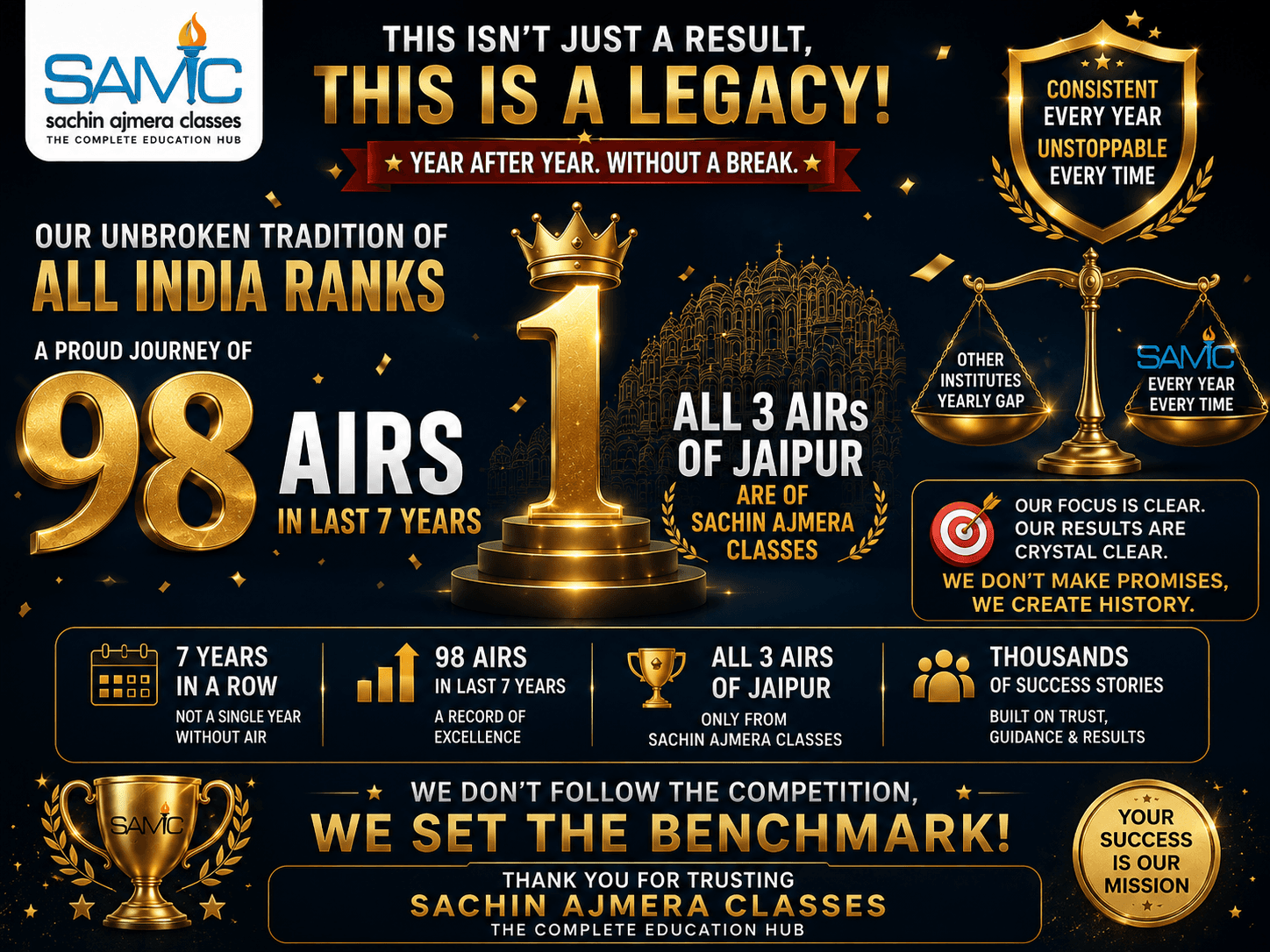
Sachin Ajmera Classes produced 9 All India Ranks in the CMA June 2026 examination, across CMA Intermediate and Final, taking the institute's cumulative tally past 98 AIRs since inception.
Why are AIRs important?
An AIR reflects performance among lakhs of candidates appearing nationwide, signalling not just a pass, but mastery of the syllabus under real exam pressure - something recruiters and peers take note of.
Where can students see the topper list?
The complete, verified list of rank holders is maintained on our All India Ranks page, alongside detailed Success Stories from past sessions.
About CMA June 2026 Results
Every CMA exam session tests the same syllabus on paper, but not every session produces the same result. The CMA June 2026 examination was conducted across India for both Intermediate and Final levels, with lakhs of candidates competing for a limited number of All India Ranks - typically the top 50 positions per group, nationally.
That's the context worth understanding: an AIR isn't a local achievement. It's a national-level distinction earned against every CMA candidate who appeared that session, regardless of which city or institute they studied from. Competition at this level rewards precision, not just preparation - students need strong conceptual clarity, exam-day time management, and the ability to perform consistently across every paper in the group, not just their strongest subjects.
This is exactly why consistent, structured preparation over months - rather than last-minute cramming - tends to separate rank holders from the rest. The CMA June 2026 results from Sachin Ajmera Classes reflect that pattern clearly, with AIRs coming from both the Intermediate and Final levels.
Our Student Achievements
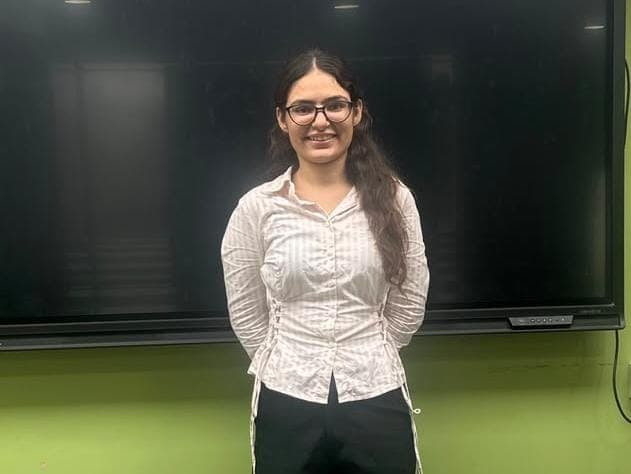
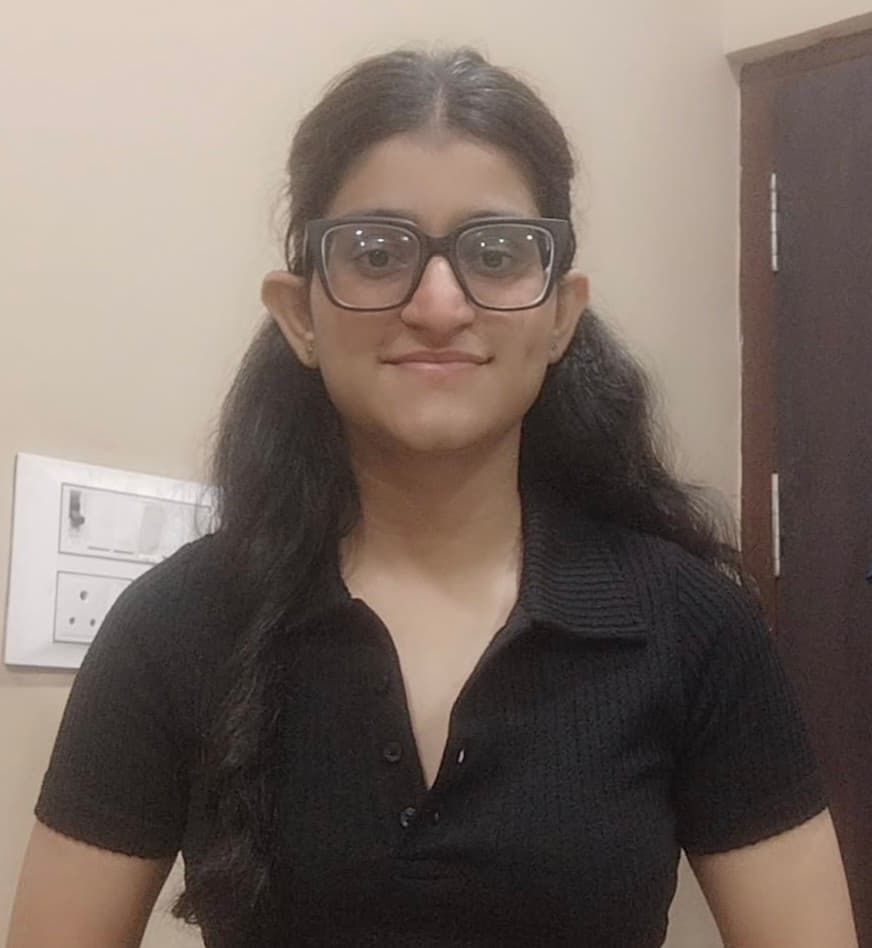
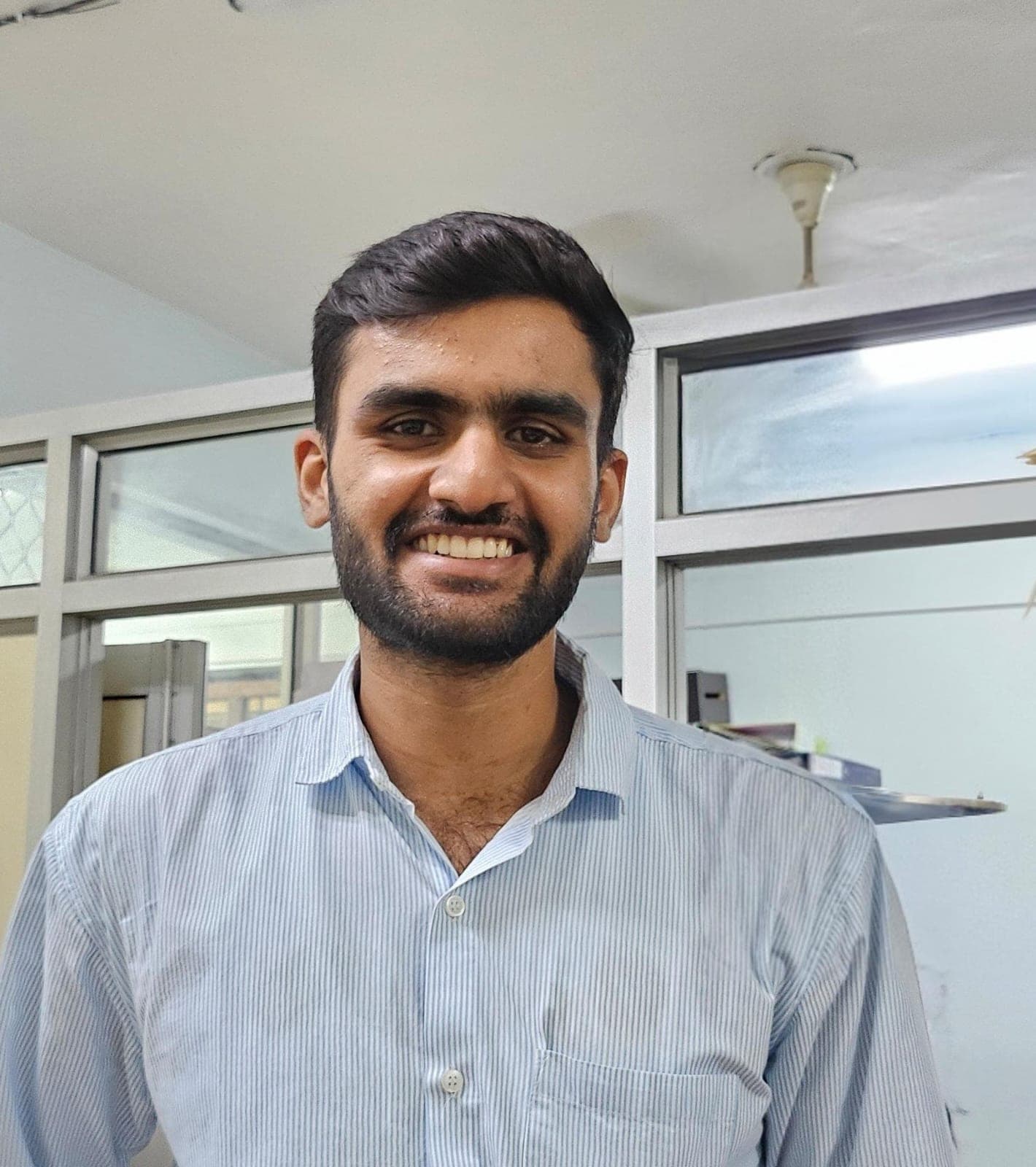
Behind every rank on the cards above is a preparation routine that looked remarkably similar - regular, honest, and unglamorous. What we've consistently observed across our rank-holding batches is a pattern, not a coincidence:
- Discipline in daily study hours, maintained even during weeks without immediate deadlines
- Regular class tests and mock exams, treated as seriously as the real exam
- Direct access to expert faculty for doubt resolution, rather than doubts piling up unresolved
- Structured mentorship, where a faculty member tracks a student's progress over the full course duration, not just before exams
- Conceptual learning first, with formulas and shortcuts built on top of understanding - not as a replacement for it
- A dedicated revision strategy in the final 60 days, rather than trying to revise everything in the last two weeks
None of this is a secret formula. It's a routine that most students can follow - what makes the difference is whether they follow it consistently, and whether they have the right structure and mentorship around them to stay on track.
Performance Highlights
| Achievement | Details |
|---|---|
| All India Ranks - June 2026 | 9 |
| Total AIRs Produced (Since Inception) | 98+ |
| Years of Teaching Experience | 23+ |
| Overall Success Rate | 95% |
| Students Mentored | 50,000+ |
These numbers aren't a one-time spike. They're the result of the same teaching methodology being applied, session after session, to every new batch that walks through our doors.
Why Students Consistently Perform Well at SAC
A single rank holder can happen by chance. Nine All India Ranks in one session, on top of a 98+ AIR track record, cannot. It comes down to a few structural things we've built into how classes actually run:
Structured, syllabus-paced classes. Topics are covered in a sequence that builds on itself, so students aren't left connecting disconnected concepts on their own closer to the exam.
Doubt-solving that doesn't wait. Doubts raised in class or during practice sessions are addressed promptly, instead of accumulating into gaps that surface only during revision.
Structured revision cycles. Revision isn't left to the student's individual initiative - it's built into the course timeline, with dedicated sessions before exams.
Regular mock tests. Full-length, timed mock tests throughout the course, not just in the final weeks, so exam-day pressure feels familiar rather than new.
Answer-writing practice. Especially for CMA Final and Intermediate subjective papers, how you present an answer matters as much as knowing it - this is practised, not assumed.
Ongoing mentorship. Faculty track individual student progress, not just batch averages, which is how preparation gaps get caught early rather than discovered on results day.
If you'd like to understand how our teaching approach differs in practice, our Why Choose Us page and About Sachin Sir go into more detail on the institute's philosophy.
Journey from Student to Rank Holder
Nobody walks in as a rank holder - that's built over the course of the program, usually in a fairly predictable arc.
It typically starts with a student who's serious but unsure - clear on wanting to become a CMA, less clear on how disciplined the process needs to be. The first few months are about building study habits: attending classes consistently, attempting every class test, and getting comfortable asking questions instead of sitting on doubts.
Somewhere around the midpoint of preparation, something shifts. Students who stay consistent start noticing their mock test scores climbing, their doubts becoming fewer and more specific, and their confidence in tackling full papers under time pressure improving. This is usually where the gap between an average performer and a potential rank holder starts to show - not in raw intelligence, but in whether the routine has actually stuck.
In the final stretch before the exam, it becomes about refinement: tightening time management, revising strategically instead of broadly, and walking into the exam hall having already solved dozens of full papers under real conditions. By exam day, for our top performers, very little feels unfamiliar - and that's precisely the point of the entire preparation journey.
Tips from Top Rankers
Patterns we've observed across our AIR holders and consistently high scorers, worth adopting regardless of which level you're preparing for:
- Start revision early, not late. Rankers typically begin revision cycles well before the final month, not during it.
- Solve full-length papers under timed conditions. Reading is not the same as solving under pressure.
- Maintain a mistake log. Every error in a mock test gets reviewed and understood, not just corrected.
- Don't skip "boring" topics. Rankers rarely leave low-weightage chapters unprepared - every mark counts in AIR-level competition.
- Prioritise conceptual clarity over memorisation. Concepts adapt to any question format; memorised answers don't.
- Attempt every class test seriously. Treating internal tests casually is one of the most common gaps between good and top performers.
- Ask doubts immediately. Unresolved doubts compound - what feels minor in month two can become a real gap by exam time.
- Practice answer presentation, not just content. Especially in subjective papers, structured, clear answers score better than correct-but-messy ones.
- Protect consistency over intensity. Steady daily study consistently outperforms irregular bursts of long study sessions.
- Trust the process in the final week. Rankers typically avoid learning new topics in the last week, focusing entirely on revision and rest.
What Future CMA Aspirants Can Learn
If you're preparing for an upcoming CMA session, the actionable takeaway isn't "study harder" - it's "study more deliberately." A few things worth building into your own preparation from day one:
- Set a realistic, syllabus-paced study schedule instead of an aggressive one you can't sustain.
- Treat every class test and mock exam as a checkpoint, not a formality.
- Build a habit of reviewing mistakes properly instead of just noting the correct answer.
- Don't wait until the final month to start solving full-length papers.
- Choose a learning environment where doubt resolution and mentorship are built in, not optional.
Whether you're just starting out or midway through your preparation, the same principles apply at every level — CMA Foundation, CMA Intermediate, and CMA Final.
Why Consistent Practice Matters
Talent gets a student started; consistent practice is what gets them across the finish line with a rank. A few specific habits make the biggest difference:
Question Bank practice. Regular exposure to a wide range of question types - beyond just previous year papers - builds versatility. Our Question Bank gives students structured practice material for CMA Intermediate and Final papers.
Mock tests. Timed, full-syllabus mock exams simulate real exam pressure long before the actual exam day arrives, so nothing about the format feels unfamiliar.
Revision cycles. Spaced, repeated revision - not a single read-through close to the exam - is what makes concepts stick under pressure.
Time management. Practising how much time to allocate per question and per paper prevents the most common exam-day mistake: running out of time on the last section.
Previous year papers. Solving genuine past papers builds familiarity with ICMAI's question style, difficulty level, and recurring topic patterns - something no amount of theory reading alone can replicate.
Explore more preparation strategies on our blog, including guides like How to Crack CMA in the First Attempt and CMA Study Techniques.
Ready to Start Your Own CMA Success Story?
Nine All India Ranks in one session isn't luck - it's what happens when the right teaching structure meets consistent student effort. If you're preparing for CMA Foundation, Intermediate, or Final, explore how we can help you build the same routine that's put dozens of our students on the national merit list.
- Explore our CMA Courses
- Practice with our Question Bank
- Read more Success Stories
- Browse our Latest Blogs for preparation tips
Book a Free Counselling Session → | +91 99502 90358 | WhatsApp Us
FAQs
1. How many All India Ranks did Sachin Ajmera Classes achieve in CMA June 2026?
Sachin Ajmera Classes produced 9 All India Ranks in the CMA June 2026 examination, across the CMA Intermediate and Final levels.
2. Which students achieved All India Ranks in the CMA June 2026 examination?
The complete, verified list of AIR holders with their ranks and marks is displayed above and on our All India Ranks page.
3. Which CMA levels are included in the June 2026 results?
The June 2026 results cover both CMA Intermediate and CMA Final levels, with rank holders and successful candidates from both groups.
4. How are All India Ranks determined in CMA examinations?
ICMAI awards All India Ranks based on aggregate marks scored across all papers in a group, ranking candidates nationally among everyone who appeared in that session.
5. Where can I check the complete list of SAC's CMA June 2026 rank holders?
The full, verified list is available on this page and on our dedicated All India Ranks page, updated after every result declaration.
6. What contributed to the success of SAC students in CMA June 2026?
Structured, syllabus-paced classes, regular mock tests, prompt doubt resolution, answer-writing practice, and consistent mentorship throughout the course all contributed to these results.
7. Does Sachin Ajmera Classes consistently produce CMA rank holders?
Yes - the institute has produced 98+ All India Ranks over 23+ years, with rank holders appearing across multiple exam sessions rather than a single standout batch.
8. Can I view previous CMA result achievements of Sachin Ajmera Classes?
Yes, past results and rank holders are documented on our Success Stories and All India Ranks pages.
9. How can I become the next CMA rank holder with Sachin Ajmera Classes?
Enrol in a structured batch, stay consistent with class tests and mock exams, resolve doubts promptly, and follow the revision schedule - the same routine followed by our current AIR holders.
10. What is AIR in CMA?
AIR stands for All India Rank, awarded by ICMAI to top-scoring candidates nationally in the CMA Intermediate and Final examinations, based on aggregate marks.
11. How difficult is CMA compared to other professional courses?
CMA requires strong conceptual understanding across accounting, costing, law, and taxation, along with disciplined exam-time management - it's demanding, but achievable with structured, consistent preparation.
12. What is Sachin Ajmera Classes' overall success rate?
The institute maintains a 95% success rate across its CMA and CA batches, built on 23+ years of consistent teaching outcomes.
13. How can students prepare like rank holders?
By starting revision early, solving full-length papers under timed conditions, maintaining a mistake log, and staying consistent with daily study rather than relying on last-minute intensity.
14. Is coaching necessary to become a CMA rank holder?
While self-study is possible, structured coaching with mentorship, doubt resolution, and regular testing significantly improves the odds of ranking, especially at the national level.
15. What makes Sachin Ajmera Classes different from other CMA coaching institutes?
A combination of 23+ years of specialised CMA/CA teaching experience, structured mentorship, regular testing, and a consistent track record of 98+ All India Ranks.
16. Which level had the most AIRs in June 2026 - Intermediate or Final?
The June 2026 results included AIRs from both CMA Intermediate and CMA Final; the exact breakdown is listed in the achievement cards above.
17. Where can I see student achievements from Sachin Ajmera Classes?
Student achievements are showcased on this page, along with the Success Stories and All India Ranks pages.
18. Does SAC offer both CMA and CA coaching?
Yes, Sachin Ajmera Classes offers structured coaching for CMA (Foundation, Intermediate, Final) as well as CA and CS courses - explore all Courses here.
19. Can I join Sachin Ajmera Classes for CMA online coaching?
Yes, the institute offers CMA Online Coaching for students outside Jaipur, following the same structured methodology as classroom batches.
20. How do I get in touch with Sachin Ajmera Classes for admission guidance? You can reach out through our Contact Us page, call +91 99502 90358, or message us directly on WhatsApp.